Accelerating Industrialisation

Managing Urbanisation

Enhancing Education and Skills
Informing and enriching the three overarching themes of the Convention.
Agricultural diversification, productivity and value addition; livestock and fisheries; rural non-farm enterprises and livelihood diversification; farmer collectives and market linkages; labour migration and rural labour markets.
Centre–State fiscal relations and transfers; strengthening state fiscal capacity; mobilising resources through banking and non-banking institutions; attracting private investment, including Foreign Direct Investment (FDI);
domestic tax and non-tax revenues; improving quality and effectiveness of public expenditure; engaging diaspora in investment mobilisation.
Harnessing Bihar’s demographic dividend; skill development and employability; educated youth unemployment and transitions to work; gig and platform-based work; migration for employment and education; remittances and their role in household and local economic development; migrants’ rights and access to social security; artificial intelligence and the future of employment.
MSMEs and entrepreneurship; agro-industries and value addition; industrial clusters and enterprise development; investment and access to financial resources; energy availability and reliability; technology and artificial intelligence; industrial policy and incentives; attracting private investment, including FDI; formalisation and strengthening of enterprises.
Urban transition and the growth of census, small and medium towns; municipal finance, capacity and governance; housing and basic urban services; informal settlements and urban livelihoods; urban drainage and waterlogging; flood management and urban resilience; urban infrastructure and connectivity; waste management; preservation of urban heritage; rural–urban linkages and integrated local development; strengthening local governments and institutions.
School, higher and technical education; skill development and training systems; making Bihar as an important knowledge hub of higher education and centre of skill development; access, equity and quality, particularly in higher and technical education.
Women’s economic participation and entrepreneurship; Jeevika and SelfHelp Groups (SHGs); female workforce participation; financial inclusion and asset ownership; unpaid and care work; women’s safety, security and mobility; women’s political participation; gendered impacts of male outmigration; women’s access to higher education and skills.
Cultural, religious and pilgrimage tourism; Buddhist and other tourism circuits; tourism infrastructure and connectivity; preservation and conservation of historical and cultural sites; craft economies, artisans and market access; cultural enterprises and creative economy; strengthening infrastructure and enabling environment for tourism; linking tourism with local livelihoods.
Building partnerships with stakeholders committed to Bihar’s development; engaging entrepreneurs, civil society, national and international organisations; leaverging networks of diaspora to support investment, innovation and entrepreneurship for state’s development.
Improving administrative and institutional capacity; efficiency in public service delivery; citizen participation and accountability; Panchayati Raj and decentralisation; transparency and grievance redressal; strengthening state capacity and addressing implementation gaps.
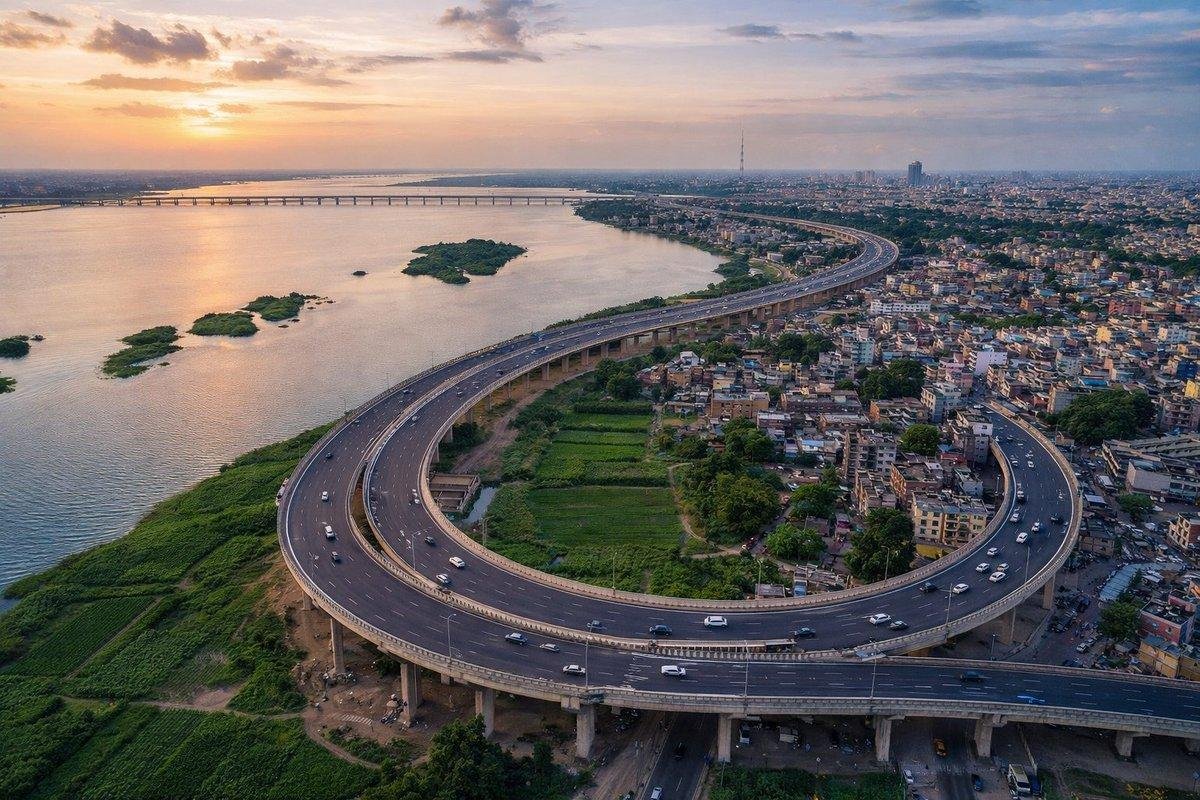
Bihar is India’s least urbanised major state, and this is a starting point rather than a disadvantage. Most of its urban growth is happening in census towns and small and medium towns rather than in Patna alone. The state is therefore still in a position to plan its urban transition instead of retrofitting it later. The binding constraints are institutional: urban local bodies have limited finance, staff and planning capacity, while chronic waterlogging, inadequate drainage, housing shortages and services that lag behind population growth remain persistent challenges. Patna Metro has begun operations on its priority corridor, while further development of the network remains underway. Alongside the metro’s continued expansion, recent commitments to satellite townships and own-source revenue reform set a direction, but their wider outcomes are yet to be realised. The Convention covers municipal finance and governance, the role of small towns, rural-urban linkages, the service sector, urban livelihoods and informal settlements. It also explores how government action can support infrastructure development in and around villages, and what sustainability means for cities that are still being built.
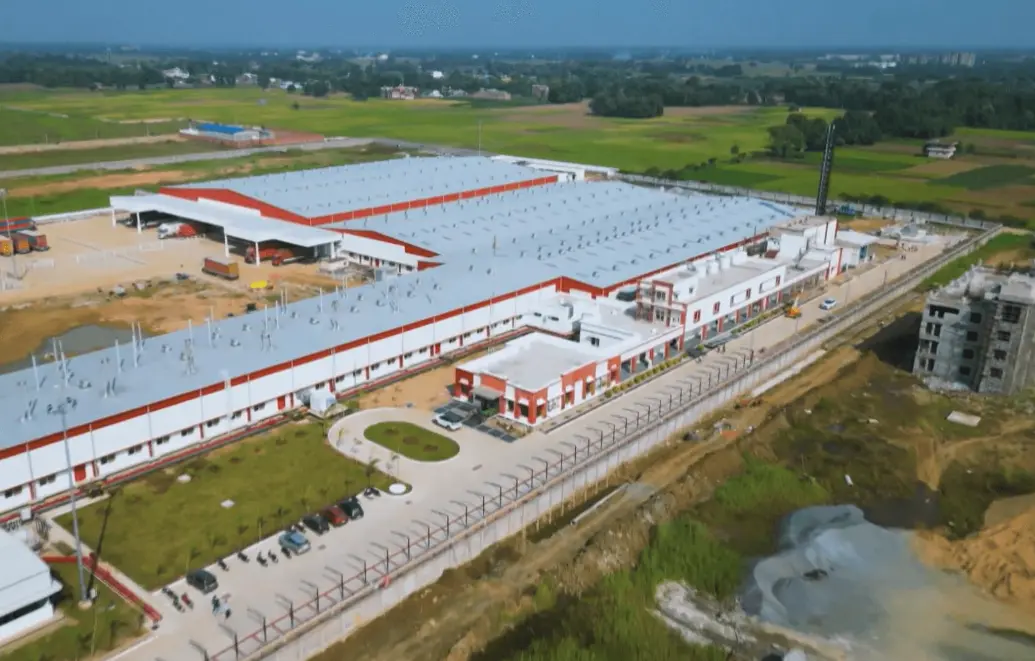
Bihar’s industrial base remains narrow, and the state’s growth has ome largely from construction, services and public investment rather than manufacturing. The opportunity lies in what Bihar already produces: food processing, makhana, maize, litchi and dairy, alongside ethanol, textiles and leather. The service sector also has a role in supporting industrial growth and creating employment. Yet most enterprises in the state are own-account household units, constrained by access to credit, land, reliable power and markets, and few make the transition from survival activities to firms that hire workers. The question before this Convention is whether Bihar can industrialise through agro-value addition and enterprise density rather than by waiting for large-scale manufacturing to arrive. The Convention covers industrial policy and incentives, cluster development, MSME financing, formalisation, the service sector and the emerging startup ecosystem. It examines which instruments have actually increased investment and employment, and what it would take to anchor processing and value addition within the state

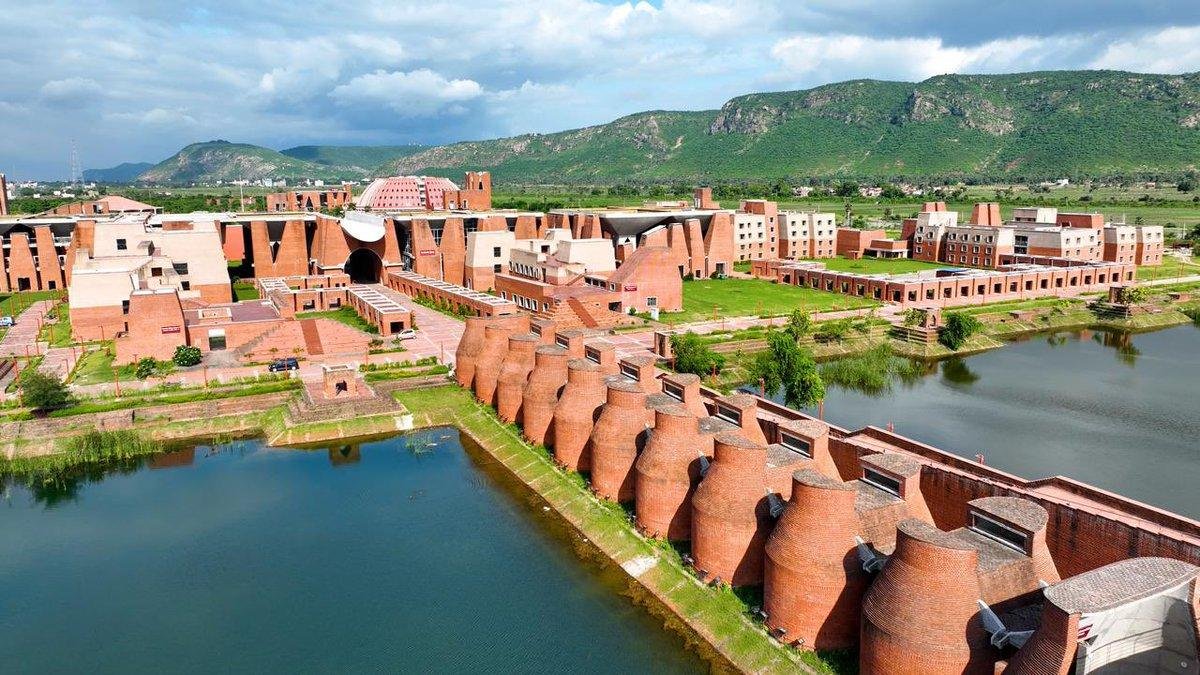
Bihar has achieved near-universal school enrolment, a substantial gain over two decades, but enrolment has not translated into learning. Weak foundational outcomes, teacher vacancies, dropout at the secondary stage and uneven school quality limit what schooling delivers. Ensuring quality education is therefore central to improving learning outcomes. In higher education, capacity has not kept pace with demand, and large numbers of young people leave the state to study, with many not returning. Skilling systems exist but remain loosely connected to actual labour demand, producing certificates without ensuring employability. This matters more in Bihar than almost anywhere else because it has India’s youngest population, and its demographic window is open now but will not remain open indefinitely. The Convention covers quality education, learning outcomes and school governance, higher and technical education, digitalisation and AI in education and skills development, skilling and apprenticeships, educational migration, and the transition from education to work, both within Bihar and in the labour markets its young people enter.